

Ad Mitigation

Ad blockers cost publishers 15-40% of ad revenue, but recovery is possible through balanced strategies that prioritize user experience and trust over aggressive tactics.
You put your heart and soul into crafting top-notch content, and ideally, that content deserves to be rewarded, right? But here's the thing, ad blockers are throwing a wrench in that equation, potentially swiping a big chunk of your revenue right out from under you.
They are blocking the very ads that pay the bills. No ad impressions, no clicks, no nada. And it's not just those flashy display ads – even your homegrown promotions and custom native formats can get the boot.
Now, studies such as Statista and eMarketer show that ad block usage rates hover around 25% to 40% globally.
Doesn't seem like a big number?
Ad blockers are a reality, and as much as you might scoff at the idea of someone blocking your "premium" ads, they are impacting your bottom line. But the question is, can you afford to sit back and hope for the best?
Interactive Advertising Bureau (IAB) says publishers are losing anywhere from 15% to a whopping 40% in ad revenue due to ad blockers. This is because:
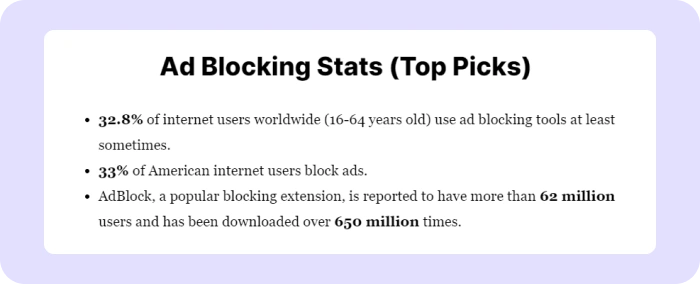
Imagine a large chunk of your ad earnings vanishing because a portion of your audience decided to hit the mute button on your income stream. Scary right?
For large publishers, monetizing ad-block users is rarely about full recovery. Instead, it’s about incremental yield, identifying which recovery methods generate meaningful revenue without increasing churn, latency, or operational cost. In practice, strategies are evaluated based on net lift, not theoretical reach.
But hold on, it gets even trickier. Ad blocking isn't just a financial headache; it can also disrupt your website's functionality, hinder copyright control, and even mess with your traffic data.
Now, before you start devising a plan to ward off these ad-blocking foes, remember that understanding the quantifiable impact and tactfully applying it is key.
Here's a cautionary tale on how it can go south.
Forbes.com, as a publisher, is recognized for its valuable content. Back in 2016, Forbes.com made a head-scratching decision to restrict access for users employing ad blocker software. Initially, this move potentially exposed Forbes readers to harmful ads and compromised security.
This questionable situation prompted Forbes to reconsider its ad blocker policy as they aimed to maintain the trust of their readers.

In a twist of events, a new option emerged on Forbes after being prompted to disable the ad blocker. Readers now had the opportunity to become members.
This membership granted free access to the content, with the only condition that readers had to Google login and allow Forbes to manage their contacts. This strategy countered ad blocker usage, and eventually, users either signed up or used the website with the ads.
The strategy worked but raised red flags for many users, who saw it as a blatant overreach and a potential privacy violation.

Adding to the confusion, the terms of service for this membership program explicitly stated that using ad blockers was still prohibited. So, Forbes was asking users to:
This entire situation was a PR nightmare for Forbes. It highlighted the importance of clear communication, transparency, and user trust. While their intentions might have been to find a sustainable ad revenue stream, the execution was a clear misstep.
The story of Forbes serves as a cautionary tale for publishers navigating the ever-evolving space of AdTech. Due to this, publishers have to use various tools and strategies to detect ad blockers and monetize in a correct manner. They can implement approaches such as asking them to whitelist their site, offering a subscription or a donation option, or using alternative ad formats or platforms to bypass ad blockers.
But understanding how ad blockers work is the first step to building a bridge and getting them to see the value you provide.
Publishers need to understand how ad blockers work and how they can detect and mitigate their impact. Ad blockers are not just a simple on/off switch. There's a whole lot of technology involved.
These bad boys are used by almost about 90% of users. They listen in on what's loading, check it against a blacklist, and block anything that matches. This can leave blank spaces, weird grey boxes, or even hide parts of the ad while leaving others.
They use two methods:
It's important to note that even if you build your own ad platform, these blockers can still find and block your ads using this method.
These blockers use a giant list called "EasyList" to know what to block, with over 70,000 entries. They also have other lists for things like trackers and cookies. This list is constantly growing as publishers and AdTech experts try new tricks to get around the blockers.
Google Chrome’s shift to Manifest V3 has changed how some browser extensions operate. Rather than being a single “switch” that ends ad blocking, Manifest V3 has mainly reshaped the technical methods some blockers use. Ad blockers still exist and remain effective in many scenarios, but the ecosystem continues to evolve across Chrome, Safari, Firefox, and privacy-focused browsers.
For publishers, the key takeaway is practical: don’t rely on any single browser change to reduce ad blocking. Instead, treat browser updates as one input among many when you choose recovery and value-exchange strategies and keep monitoring how blocker behavior changes over time.
Other browsers, such as Safari, work a bit differently, with limitations on what extensions can do. Built-in blockers like Brave's and Opera's seem to focus on request blocking and might not catch all the fancy native ads served through a native advertising platform.
These guys work by blocking or redirecting requests to ad servers before they even reach your website. They won't catch in-house ads, but they are still out there and something to be aware of.
This concludes our brief overview of how ad blockers work. As a publisher, you need to grasp this concept because it enables you to employ ad block detection tools and recover your lost ad revenue.
As a publisher, finding the balance between user experience, ethical practices, and financial sustainability remains a significant challenge. Moreover, open communication and collaboration with the user base are crucial in building trust. However, it is also time for you to move ahead and develop creative ways to navigate ad block, all while keeping your audience happy.
Any ad-block strategy should be evaluated against operational complexity. Techniques that require frequent code changes, manual QA, or ongoing workaround updates can quickly erode net gains. Enterprise publishers increasingly favor low-maintenance recovery approaches, such as server-side delivery or value-exchange models, that scale without constant intervention.
We have listed a few options that can help you monetize your users:
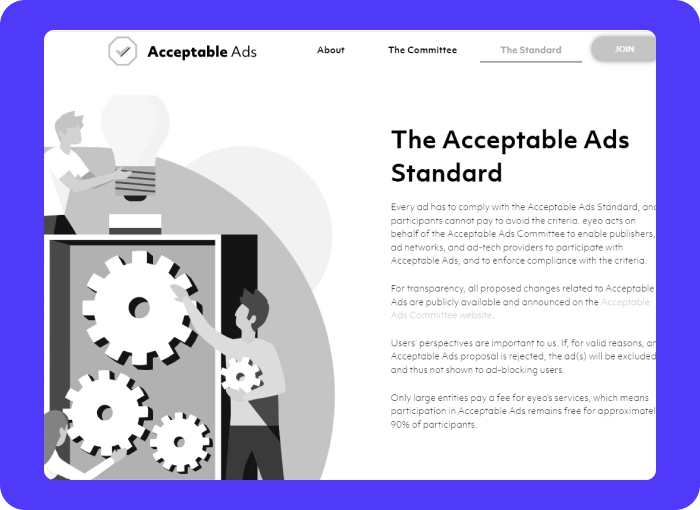
The Acceptable Ads program is sometimes described as a “peace treaty” with certain ad blockers. If you meet specific ad experience standards, some participating blockers may allow those ads to run.
For some publishers, this can be worth evaluating. However, it comes with trade-offs, especially for larger publishers, such as revenue share, limited coverage (not all blockers participate), and reduced control over enforcement and outcomes. Think of this as one possible lever, not a foundation. Your broader approach should still prioritize user experience, trust, and sustainable recovery methods.
This approach involves politely nudging users to turn off their ad blockers. Think gentle persuasion, not forceful demands.

Offer them options like "keep reading" or the chance to support you through donations. But be warned, aggressive tactics like blocking content behind an ad block wall can backfire spectacularly, leaving users frustrated and heading for the hills (or other websites).
If ad blocking is rampant in your audience, a paywall might be helpful. This lets you offer exclusive content or premium features in exchange for a subscription fee.
It's not an "either/or" situation, though. Many publications use paywalls alongside ads to diversify their revenue streams.
Got a podcast or a YouTube channel? This is where things get interesting. You can insert ads directly into your video and audio streams, making them part of the content itself.
Ad blockers primarily target website elements and can't easily block these Instream advertising without affecting the entire content. Clever, right?
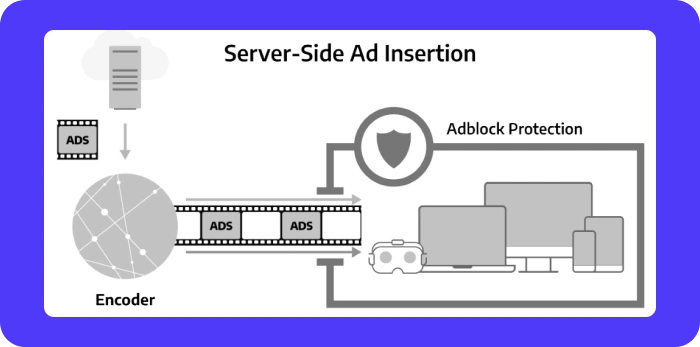
This is where things get more technical and more resource-intensive. Some publishers explore controlled technical mitigation such as server-side ad delivery, selective rendering changes, or CSS-level adjustments to reduce unintended blocking.
That said, these approaches can be high maintenance, fragile at scale, and require strict QA and brand-safety oversight to avoid breaking layouts, harming performance, or creating a frustrating user experience. If you go this route, keep changes tightly governed, test continuously, and prioritize transparency and user trust over short-term wins.

In addition, you can explore the world of "extensive obfuscation," which involves using scripts, random codes, and other tactics to make your ads invisible to blockers. require significant effort. Remember, user experience should always be a top priority, so ensure any tactics you employ are transparent and user-friendly.
Ad blocking isn't a major concern for your audience if you prioritize user experience above all else.
In that case, holding off on implementing any of these strategies might be the best option. You can always revisit monetization options later, as needed.
Ultimately, the best approach depends on your unique situation and audience. Applying these strategies can help navigate ad blocking and ensure your premium content continues to thrive.
But what if you have already experienced a massive decline in ad revenue? Is there a chance to recover it?
Ad block recovery refers to a set of strategies used by online publishers to regain revenue lost to ad blockers. When users employ ad blockers, you, as a publisher, miss out on the income generated from those blocked ads. Ad block Recovery offers solutions to address this loss.
Here are the key aspects of ad block recovery:
The best ad block recovery solutions strive to balance user experience and publisher sustainability. They understand that users generally dislike intrusive ads and offer options that are less disruptive while still generating revenue.
Studies suggest many users are willing to support publishers they value, provided fair and ethical practices are employed.
After losing ad revenue due to ad blockers, you can't simply "undo" the lost income. However, you can implement strategies to recover a significant portion and establish alternative revenue streams to offset the loss and build long-term sustainability. Here's what you can do:
1. Immediate action
2. Implement recovery strategies
Additionally, consider minifying or obfuscating your code, including shortening variable names and removing whitespace, to further complicate ad blockers' efforts.
3. Continuous monitoring and optimization
Remember, recovering lost revenue and establishing long-term sustainability requires a multifaceted approach, continuous monitoring, and adaptation. While you might not fully recoup all lost ad revenue, these strategies can significantly improve your financial situation and pave the way for a more sustainable future.
Are those pesky ad blockers putting a dent in your ad revenue stream? Fear not, Mile is here to help you.
Here's the deal:
1. Quality ads, happy users, no blockers
We are all about kicking intrusive ads to the curb. We maintain sky-high standards for ad quality, ensuring only user-friendly formats grace your website. This keeps your visitors happy and less likely to reach for the ad blocker.
We also work with top-notch demand partners who share our commitment to non-intrusive advertising. This means the ads displayed are relevant and engaging, reducing the chances of being blocked.
2. We speak your audience's language
Our sophisticated targeting techniques deliver ads that are highly relevant to their interests and browsing habits. When users see ads they actually care about, they are less likely to feel the need to block them altogether.
We also offer native advertising solutions that blend seamlessly with your website's content. This means the ads are less disruptive and less likely to trigger ad blockers.
3. Partnering with the Ad block Recovery Platform
We have got your back when it comes to cutting-edge ad block recovery technology. We partner with leading platforms that utilize innovative techniques like server-side ad insertion and acceptable ad initiatives. This allows you to reach a wider audience and reclaim a significant portion of lost revenue.
Ready to ditch the ad blocker blues?
Check out Mile and see how we can help you unlock your website's full revenue potential!
By strategically addressing ad blockers and fostering a strong user relationship, you as a publisher, can surely build a more sustainable business model.
Keep visiting this space for more industry insights and publisher-interest stories.

Around 900–950 million people worldwide use ad blockers (desktop + mobile combined). Regular usage hovers at roughly 30-35% of internet users, with higher rates among younger demographics.
Offer value exchanges like subscriptions, donations, or premium ad-free access; encourage whitelisting with polite messages. Use server-side ad insertion, native/in-stream ads (e.g., podcasts/YouTube), or Acceptable Ads-compliant formats to recover revenue.
Yes, detecting ad blockers is generally legal in most jurisdictions as it’s considered website functionality monitoring. However, aggressive actions (e.g., blocking content without alternatives or misusing detected data) can raise privacy or consumer protection concerns.
They reduce ad impressions/clicks, causing publishers to lose 15-40% of potential ad revenue on affected users. Analytics get skewed: lower pageview counts, incomplete tracking, and underreported engagement from blocked scripts and pixels.

.webp)


.avif)
.avif)


