Ad Optimization
Prebid's Priority List: A Must-Have for Ad Revenue Optimization
min read
February 26, 2026

By
Meet

Ad Optimization

A Priority List on Prebid is a structured ad server strategy that uses Prebid key-values and ordered line items to control bidder hierarchy, protect premium demand, and optimize auction efficiency at scale.
Given the complexity of efficient ad-serving workflows and revenue optimization, leveraging Priority Listing in Prebid emerges as a strategic approach that is particularly beneficial for publishers managing extensive inventory at scale.
Priority listing on Prebid lets you segregate demand sources, through which you can prioritize premium bidders over resellers or lower-value partners.
This is a great way of optimizing fill rates without compromising on quality! Moreover, this structured approach minimizes redundant bidding attempts, reduces latency, and ensures high-quality ads are delivered seamlessly.
Specifically in cases when publishers serve billions of impressions – the ability to prioritize is critical to maintaining the operation at scale, improving the user experience, or and driving revenue.
While Prebid provides basic prioritization tools, optimizing the ad-serving process is essential for achieving greater efficiency and flexibility. Before diving into the specifics of priority listing on Prebid, let’s take a step back and explore how ad serving works and how prioritization fits into the bigger picture.
Prebid allows you to prioritize certain demands while keeping the flexibility of open bidding. Here’s the process in action:
By using this approach, you can manage competing demand sources effectively and ensure that high-priority deals are given the best chance of success.
Prebid prioritization is configured in your ad server (e.g., Google Ad Manager) by creating ordered line items targeting Prebid key-values like hb_pb for price buckets.
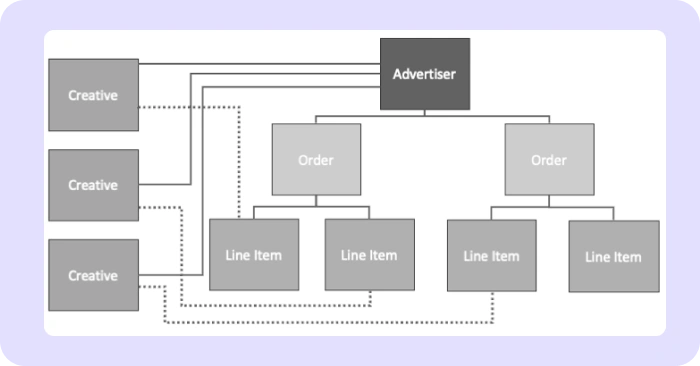
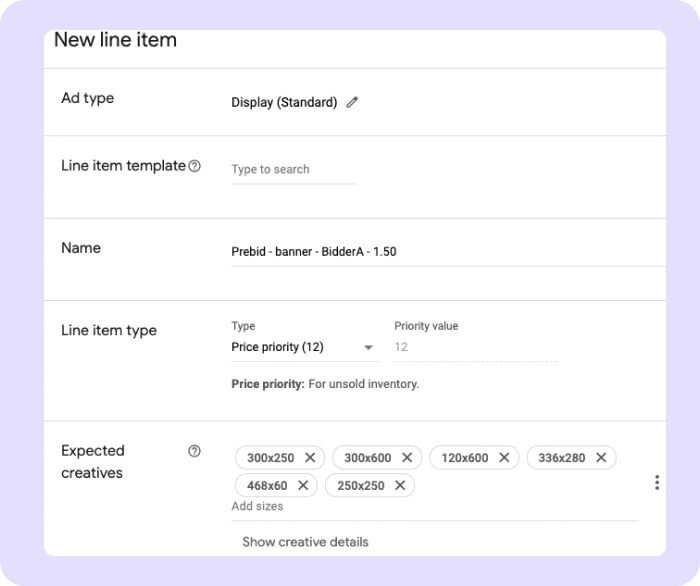
In this way you will be able to control your ad inventory and increase your monetary value stream by having an organized and prioritized Prebid list.
The Priority List on Prebid isn't just a tool for bidding management—it's a strategic framework that can significantly elevate your programmatic advertising. If you aim to optimize ad revenue and long-term engagement, the Priority List is essential.
By offering granular control over how bids are managed and prioritized, the Priority List ensures that your inventory is allocated with precision, aligning every impression with your business objectives.
Here's why this feature is a must-have for any high-performance header bidding setup:
Prebid's Priority List offers sophisticated control over which demand partners participate in your auctions, empowering you to optimize your inventory by ranking bidders based on performance, business goals, or other critical KPIs. This prioritization ensures that high-value partners get first access, maximizing potential revenue.
By directing bids from top-tier demand sources to the front of the queue, publishers can strategically allocate impressions to those with the highest value. This isn't just about getting the highest CPM, it’s about getting the right CPM, from the right partners, at the right time.
As user behavior evolves, so should your approach to monetization. For instance, users frequently transition between email and website content, often treating email as a menu for navigation. These brief but high-engagement sessions represent a prime opportunity for monetization, where first impressions are key.
The Priority List allows you to deliver the highest-value ads during these high-engagement moments, optimizing revenue without overhauling your existing setup.
By analyzing user behavior in real time, you as a publisher can make smart decisions about ad formats and placements.
Should ads refresh every 30 seconds to capture fleeting interest, or should you optimize for click-based interactions? The Priority List, combined with behavioral insights, ensures that your header bidding is always aligned with the most profitable opportunities, balancing short-term monetization with long-term engagement goals.
Google Ad Manager's Premium Priority Deals, powered by Prebid's key-values, give elite partners first dibs on your best inventory, prioritizing brand-safe, high-quality ads every time.
PPDs give top-tier partners direct access to premium inventory, ensuring that you aren’t simply maximizing bids but elevating the entire user experience by serving ads from trusted, high-quality brands.
With PPDs, you are not just optimizing for immediate revenue. You are aligning your monetization strategy with long-term brand integrity, ensuring that users are consistently served the most relevant and impactful ads.
The decline of third-party cookies has created challenges in tracking user behavior across websites. However, this shift opens up new opportunities for identity-based ad targeting.
Leverage first-party data and identity signals to help prioritize bids based on verified user information, allowing you to deliver more relevant ads to your audience.
By utilizing identity solutions effectively, publishers can prioritize bids from advertisers who can better match users' interests, thus improving engagement and maximizing revenue opportunities in a cookieless environment.
Traffic shaping via ad server line items and Prebid key-values lets you prioritize high-value bids based on past performance, user signals, and bid strength, without tweaking client-side requests.
By directly targeting the most impactful ad requests, based on historical performance, user engagement, and bid value, you can streamline the auction flow, and improve revenue generation along with operational efficiency.
In a high-performance bidding environment, reducing latency is critical. By smartly ordering your ad server line items with Prebid key-values, you eliminate auction bottlenecks
A more efficient bidding process not only boosts monetization potential but also helps reduce friction for users, keeping them engaged and encouraging more interactions with your site.
Scenario
In programmatic advertising, the sheer number of bidders participating in auctions can create inefficiencies. Without a priority mechanism, the system attempts to process all bidders equally, which may lead to delays or unoptimized bid selection.
Solution
High-priority ad server line items targeting Prebid key-values from top partners like Magnite, Amazon, or ADX fire first, streamlining auctions without slowing down your page. By processing high-performing partners first, publishers can reduce latency and improve the overall auction efficiency, particularly in environments with limited time for bid response.
Highlights:
Scenario
Dynamic floor pricing is a key component of modern programmatic auctions. By creating a priority list, publishers can ensure that dynamic floor adjustments are applied more effectively to high-value bidders like Amazon and Prebid partners.
Solution
Priority lists enable publishers to focus floor-setting strategies on partners capable of adjusting bids in real time, ensuring that dynamic pricing delivers maximum revenue impact. This structured approach prevents wasted opportunities and ensures competitiveness among bidders.
Highlights:
Scenario
In a holistic auction setup, multiple bidding environments (e.g., Prebid, Open Bidding, ADX) compete simultaneously for impressions. A priority list enables publishers to rank these environments based on historical performance metrics, ensuring optimal revenue outcomes.
Solution
However, ranking high-value bidders in priority buckets guarantees auctions do not compromise overall competition while favoring the best-demand sources. Programmatic and direct sell are the ways that many publishers separate their inventory; this approach is useful to distribute impressions properly.
Highlights:
It’s time to give your ad operations a competitive edge. Add the Priority List, whether within Prebid or as part of a broader holistic auction strategy, and take full control of your inventory today!

A Priority List on Prebid is not a built-in Prebid feature. It is a publisher-configured framework that uses Prebid key-values (such as hb_pb, hb_bidder, or deal IDs) combined with ordered ad server line items to control how demand is evaluated. In Google Ad Manager, publishers create high, medium, and low priority line items targeting those key-values. This setup allows premium bidders or deals to be considered before lower-tier demand while still maintaining header bidding competition.
Prebid itself runs a price-based auction, but prioritization happens in the ad server. After Prebid collects bids, it passes key-values like price buckets and bidder IDs to Google Ad Manager. Publishers then configure line items with different priority levels targeting those key-values. Higher-priority line items (for premium partners or deals) are evaluated first during ad serving. This structure creates a controlled bidder hierarchy without changing Prebid’s core auction logic.
Prioritizing demand partners helps publishers improve auction efficiency, protect premium demand, and reduce latency. Without structured prioritization, all bidders are treated equally, which can lead to redundant bid calls and slower ad delivery. By grouping bidders into tiers through line item priority settings, publishers can give stronger partners better access to inventory while limiting exposure to lower-performing resellers. This is especially important for large-scale publishers serving billions of impressions.
When implemented correctly, a Priority List on Prebid can improve revenue consistency and fill rate. By ensuring high-value bidders and Premium Priority Deals are evaluated first in the ad server, publishers reduce wasted auction cycles and improve effective competition. This can lead to higher CPM stability, better yield management, and improved fill from top-tier demand. However, performance gains depend on proper tiering, floor pricing strategy, and ongoing optimization.

.webp)


.avif)
.avif)


